
Barnet Health Doctors
Contact
Hours
- Monday: 9:00am – 9:00pm
- Tuesday: 9:00am – 6:00pm
- Wednesday: 9:00am – 9:00pm
- Thursday: 9:00am – 9:00pm
- Friday: 9:00am – 5:00pm

Barnet Health Doctors, situated in the charming town of Harris, New York, is a reputable dental institution committed to providing exceptional dental care to individuals and families in the community. With a focus on promoting oral health and delivering personalized treatment, the practice offers a wide array of dental services to address various needs and concerns. Led by a team of experienced dental professionals, Barnet Health Doctors strives to create a comfortable and welcoming environment for all patients.
Dental Services
Preventive Dentistry
- Comprehensive Examinations: Thorough dental assessments to evaluate oral health and identify any underlying issues.
- Professional Cleanings: Routine cleanings to remove plaque and tartar buildup, preventing gum disease and cavities.
- Fluoride Treatments: Application of fluoride to strengthen tooth enamel and reduce the risk of decay.
Restorative Dentistry
- Fillings: Treatment of cavities with tooth-colored composite fillings for a natural appearance.
- Crowns and Bridges: Custom-made crowns and bridges to restore damaged or missing teeth and improve functionality.
- Dental Implants: Permanent solutions for tooth replacement that mimic the look and feel of natural teeth.
Specialized Dental Care
Orthodontics
- Braces: Traditional braces and clear aligners to straighten misaligned teeth and correct bite issues.
- Retainers: Custom-fitted retainers to maintain the results of orthodontic treatment and prevent relapse.
Endodontics
- Root Canal Therapy: Treatment to remove infected or damaged pulp from within the tooth and restore its health.
- Apicoectomy: Surgical procedure to remove infected tissue from the root tip and seal the root canal.
Patient Care
Personalized Treatment Plans
- Individualized Consultations: Detailed discussions to understand each patient’s unique dental needs and goals.
- Customized Care: Tailoring treatment plans to address specific concerns and preferences.
Comfort and Convenience
- Welcoming Environment: Creating a friendly and inviting atmosphere to help patients feel at ease during their visits.
- Pain Management: Utilizing gentle techniques and effective anesthesia to minimize discomfort during procedures.

Pulpotomy
A pulpotomy is a dental procedure primarily performed on primary (baby) teeth to remove the infected portion of the dental pulp (the soft tissue inside the tooth) while preserving the vitality of the remaining healthy pulp tissue. This procedure is typically indicated when decay or trauma has reached the pulp chamber of the tooth, causing inflammation or infection, but the infection has not spread to the root canal system.
Here's an overview of the pulpotomy procedure:
- Indications:
- Pulpotomy is indicated when decay or trauma has affected the pulp tissue of a primary tooth, resulting in pulpitis (inflammation) or reversible pulpitis.
- The goal of the pulpotomy procedure is to remove the infected or inflamed portion of the pulp tissue while maintaining the vitality of the remaining healthy pulp tissue to preserve the function and longevity of the tooth.
- Preparation:
- Before performing a pulpotomy, the dentist will conduct a clinical examination and may take dental X-rays to assess the extent of decay or trauma and determine the suitability of the procedure.
- Local anesthesia is typically administered to numb the area surrounding the affected tooth and ensure the patient's comfort during the procedure.
- Procedure:
- Tooth isolation: The tooth and surrounding area are isolated using a dental dam or other protective barrier to maintain a clean and sterile field.
- Access: The dentist removes decayed or damaged tooth structure to access the pulp chamber of the affected tooth.
- Pulpotomy: Using specialized dental instruments, the dentist removes the infected or inflamed pulp tissue from the pulp chamber, typically leaving the healthy pulp tissue in the root canals intact.
- Hemostasis: The dentist may use a medicated material (such as ferric sulfate or formocresol) to control bleeding and promote hemostasis in the pulp chamber.
- Pulpotomy agent: A medicated material, such as mineral trioxide aggregate (MTA) or calcium hydroxide, is placed directly over the remaining healthy pulp tissue to promote healing and provide a protective barrier.
- Restoration: The access cavity created during the procedure is restored with a filling material, such as dental amalgam or composite resin, to seal the tooth and prevent recontamination or reinfection.
- Postoperative Care:
- Following the procedure, the patient may experience some discomfort or sensitivity, which can be managed with over-the-counter pain medication as needed.
- Patients are advised to follow postoperative instructions provided by the dentist, including dietary restrictions, oral hygiene practices, and any prescribed medications.
- Regular follow-up appointments are scheduled to monitor healing, assess the success of the procedure, and address any concerns or complications.
- Prognosis:
- The success of a pulpotomy depends on various factors, including the extent of decay or trauma, the quality of the pulpotomy procedure, and the patient's oral hygiene and compliance with postoperative care instructions.
- With proper care and maintenance, a tooth that has undergone pulpotomy can continue to function effectively for the duration of its natural lifespan, providing chewing function and aesthetics similar to a natural tooth.
In summary, pulpotomy is a dental procedure performed primarily on primary (baby) teeth to remove the infected portion of the dental pulp while preserving the vitality of the remaining healthy pulp tissue. It is indicated when decay or trauma has affected the pulp tissue of a primary tooth, resulting in inflammation or infection, but the infection has not spread to the root canal system. If you have a child who may require pulpotomy or if you have any questions about the procedure, it's important to consult with a pediatric dentist for a thorough evaluation and personalized treatment plan.
Implant Restoration
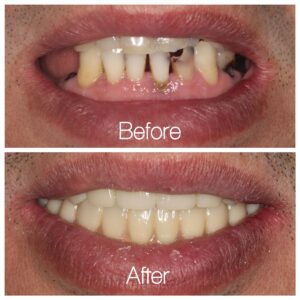
Dental implant restoration is a procedure used to replace missing teeth with artificial tooth roots (dental implants) and prosthetic teeth (dental crowns, bridges, or dentures) to restore function, aesthetics, and oral health. It involves several stages and requires coordination between a skilled dentist or prosthodontist and a dental laboratory. Here's an overview of the dental implant restoration process:
- Initial Consultation and Evaluation:
- The process begins with an initial consultation with a dentist or prosthodontist who specializes in dental implants. During this appointment, the dentist will evaluate your oral health, discuss your treatment goals and expectations, and determine if you are a suitable candidate for dental implant restoration.
- Treatment Planning:
- Based on the evaluation, the dentist will develop a personalized treatment plan tailored to your specific needs. This may include diagnostic tests such as X-rays, CT scans, or digital impressions to assess bone density, jaw structure, and the condition of adjacent teeth and soft tissues.
- Implant Placement Surgery:
- If you are deemed a suitable candidate for dental implants, the next step is implant placement surgery. During this procedure, the dentist surgically inserts small titanium implant posts into the jawbone at predetermined locations. These implants serve as artificial tooth roots and provide a stable foundation for the replacement teeth.
- Healing and Osseointegration:
- After implant placement, a period of healing is required to allow the implants to fuse (osseointegrate) with the surrounding bone tissue. This process typically takes several months and is crucial for ensuring the long-term stability and success of the dental implants.
- Abutment Placement:
- Once the implants have fully integrated with the jawbone, a small connector piece called an abutment is attached to each implant. The abutments protrude above the gumline and serve as attachment points for the final prosthetic restorations.
- Impressions and Fabrication of Prosthetic Restorations:
- After the abutments are placed, impressions or digital scans of the mouth are taken to create custom-made prosthetic restorations, such as dental crowns, bridges, or dentures. These restorations are carefully designed to match the shape, size, and color of your natural teeth for a seamless and natural-looking result.
- Final Placement of Restorations:
- Once the prosthetic restorations are fabricated, they are securely attached to the abutments, completing the dental implant restoration process. The dentist will make any necessary adjustments to ensure proper fit, function, and aesthetics.
- Post-Treatment Care and Maintenance:
- After dental implant restoration, it's essential to maintain good oral hygiene habits, including regular brushing, flossing, and routine dental check-ups. Proper care and maintenance of dental implants can help ensure their longevity and success.
Dental implant restoration offers a permanent and durable solution for replacing missing teeth, restoring oral function, and enhancing the appearance of your smile. If you're considering dental implant treatment, consult with a qualified dental professional to learn more about your options and determine the best course of action for your individual needs.