
Barnet Health Doctors
Contact
Hours
- Monday: 9:00am – 9:00pm
- Tuesday: 9:00am – 6:00pm
- Wednesday: 9:00am – 9:00pm
- Thursday: 9:00am – 9:00pm
- Friday: 9:00am – 5:00pm

Barnet Health Doctors, situated in the charming town of Harris, New York, is a reputable dental institution committed to providing exceptional dental care to individuals and families in the community. With a focus on promoting oral health and delivering personalized treatment, the practice offers a wide array of dental services to address various needs and concerns. Led by a team of experienced dental professionals, Barnet Health Doctors strives to create a comfortable and welcoming environment for all patients.
Dental Services
Preventive Dentistry
- Comprehensive Examinations: Thorough dental assessments to evaluate oral health and identify any underlying issues.
- Professional Cleanings: Routine cleanings to remove plaque and tartar buildup, preventing gum disease and cavities.
- Fluoride Treatments: Application of fluoride to strengthen tooth enamel and reduce the risk of decay.
Restorative Dentistry
- Fillings: Treatment of cavities with tooth-colored composite fillings for a natural appearance.
- Crowns and Bridges: Custom-made crowns and bridges to restore damaged or missing teeth and improve functionality.
- Dental Implants: Permanent solutions for tooth replacement that mimic the look and feel of natural teeth.
Specialized Dental Care
Orthodontics
- Braces: Traditional braces and clear aligners to straighten misaligned teeth and correct bite issues.
- Retainers: Custom-fitted retainers to maintain the results of orthodontic treatment and prevent relapse.
Endodontics
- Root Canal Therapy: Treatment to remove infected or damaged pulp from within the tooth and restore its health.
- Apicoectomy: Surgical procedure to remove infected tissue from the root tip and seal the root canal.
Patient Care
Personalized Treatment Plans
- Individualized Consultations: Detailed discussions to understand each patient’s unique dental needs and goals.
- Customized Care: Tailoring treatment plans to address specific concerns and preferences.
Comfort and Convenience
- Welcoming Environment: Creating a friendly and inviting atmosphere to help patients feel at ease during their visits.
- Pain Management: Utilizing gentle techniques and effective anesthesia to minimize discomfort during procedures.
Salivary Gland Stones
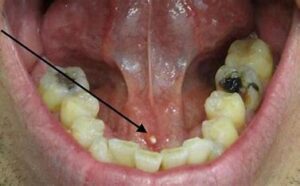
Salivary gland stones, also known as sialoliths or salivary calculi, are calcified deposits that form within the ducts of the salivary glands. These stones can block the flow of saliva from the gland into the mouth, leading to symptoms such as pain, swelling, and difficulty eating or opening the mouth.
Here are some key points about salivary gland stones:
- Formation: Salivary gland stones typically form when minerals in saliva (such as calcium and phosphate) crystallize and accumulate within the ducts of the salivary glands. The exact cause of stone formation is not always clear but may be related to factors such as dehydration, reduced salivary flow, bacterial infection, or structural abnormalities of the salivary ducts.
- Location: Salivary gland stones most commonly occur in the ducts of the submandibular glands, which are located beneath the floor of the mouth. However, they can also affect the ducts of the parotid glands (located in the cheeks) or the sublingual glands (located beneath the tongue).
- Symptoms: The presence of a salivary gland stone can cause symptoms such as pain and swelling in the affected gland, particularly during meals when saliva production increases. Other symptoms may include difficulty opening the mouth, dry mouth, foul-tasting saliva, or recurrent infections (sialadenitis) due to obstruction of the gland's duct.
- Diagnosis: Diagnosis of salivary gland stones typically involves a combination of medical history, physical examination, and imaging studies. Imaging tests such as ultrasound, CT scan, or sialography (a specialized X-ray procedure) may be used to visualize the location and size of the stone within the salivary duct.
- Treatment: Treatment of salivary gland stones depends on the size and location of the stone, as well as the severity of symptoms. Small stones may be managed conservatively with measures such as hydration, warm compresses, sour candies, or massage to stimulate saliva flow and facilitate stone expulsion. Larger stones or stones causing persistent symptoms may require more invasive treatment, such as manual expression of the stone, sialendoscopy (insertion of a tiny endoscope into the duct to visualize and remove the stone), or surgical removal of the affected gland (sialadenectomy).
- Prevention: To prevent the formation of salivary gland stones, it is important to maintain good oral hygiene, stay well-hydrated, and avoid risk factors such as dehydration, reduced salivary flow, or poor dietary habits that may contribute to stone formation. Regular dental check-ups and prompt treatment of any underlying conditions that may predispose to stone formation can also help prevent recurrence.
In summary, salivary gland stones are calcified deposits that form within the ducts of the salivary glands, leading to symptoms such as pain, swelling, and difficulty eating. Treatment options vary depending on the size and location of the stone but may include conservative measures, minimally invasive procedures, or surgical intervention to alleviate symptoms and prevent complications.
Mucocele
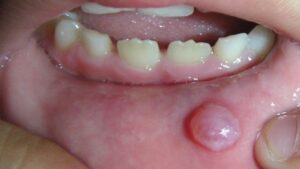
A mucocele is a common benign lesion that forms in the oral cavity when a minor salivary gland duct becomes blocked or damaged, leading to the accumulation of saliva and the formation of a cystic swelling. Mucoceles are typically painless and present as small, translucent or bluish bumps or sacs filled with clear or mucoid fluid. They most commonly occur on the inner surface of the lower lip, but can also develop on the floor of the mouth, tongue, cheeks, or palate.
Here are some key points about mucoceles:
- Types: Mucoceles are classified into two main types based on their etiology and clinical presentation:
- Extravasation mucocele: This type of mucocele occurs when trauma or injury causes the rupture or damage of a minor salivary gland duct, leading to the leakage of saliva into the surrounding soft tissues. Extravasation mucoceles are typically superficial and present as small, fluctuant swellings filled with clear fluid.
- Mucous retention mucocele: Mucous retention mucoceles result from the obstruction or blockage of a minor salivary gland duct, preventing the normal flow of saliva into the oral cavity. Mucous retention mucoceles are typically deeper and may appear as larger, more firm swellings filled with mucoid or gelatinous fluid.
- Causes: The most common cause of mucoceles is trauma or irritation to the oral mucosa, such as lip biting, cheek chewing, or dental procedures. Other potential causes include chronic friction or pressure from ill-fitting dental appliances, lip piercings, or habits such as thumb sucking. Mucoceles can also occur spontaneously without an identifiable cause.
- Symptoms: Mucoceles are usually asymptomatic and may go unnoticed until they become enlarged or bothersome. In some cases, mucoceles may cause discomfort, tenderness, or a sensation of fullness or pressure in the affected area. Rarely, larger mucoceles may interfere with speaking, eating, or swallowing if they grow large enough to obstruct the oral cavity.
- Diagnosis: Diagnosis of mucoceles is typically based on clinical examination and evaluation of the characteristic appearance and location of the lesion. In some cases, imaging studies such as ultrasound or MRI may be performed to further evaluate the extent of the lesion or rule out other potential causes of oral swelling.
- Treatment: Treatment of mucoceles depends on the size, location, and symptoms of the lesion. Small, asymptomatic mucoceles may resolve on their own without intervention and may be managed conservatively with observation and periodic follow-up. Symptomatic or enlarging mucoceles may require surgical excision to remove the cystic swelling and prevent recurrence. The procedure is typically performed by a dentist or oral surgeon and involves local anesthesia to numb the area before removal.
In summary, a mucocele is a benign cystic swelling that forms in the oral cavity due to the blockage or damage of a minor salivary gland duct. While usually painless and benign, mucoceles can cause discomfort or interfere with oral function if they become symptomatic or enlarging. Treatment options vary depending on the size, location, and symptoms of the mucocele but may include observation, drainage, or surgical excision. Early diagnosis and appropriate management are important for preventing complications and achieving favorable outcomes.