
Barnet Medical Center
Contact
Hours
- Monday: 9:00am – 9:00pm
- Tuesday: 9:00am – 6:00pm
- Wednesday: 9:00am – 9:00pm
- Thursday: 9:00am – 9:00pm
- Friday: 9:00am – 5:00pm

Barnet Medical Center, located in Albany, New York, is a leading healthcare institution renowned for its wide range of medical and dental services. The center is equipped with state-of-the-art facilities and cutting-edge technology, staffed by a dedicated team of highly trained animal medical professionals committed to delivering compassionate and innovative care to all patients.
Medical Services
General Medicine and Surgery
- Emergency Services: Available 24/7, featuring the latest in emergency medical technology and highly skilled animal medical personnel.
- Inpatient and Outpatient Rehabilitation: Comprehensive rehabilitation services including physical therapy, occupational therapy, and speech therapy.
- Advanced Surgical Care: Specializing in complex surgeries, including cardiovascular, neurological, and reconstructive surgery.
Specialized Departments
- Endocrinology: Comprehensive care for diabetes, thyroid disorders, and other hormonal imbalances.
- Gastroenterology: Advanced diagnostic and treatment options for digestive system disorders.
- Nephrology: Expert care for kidney diseases, including dialysis services and transplant preparation.
- Psychiatry and Mental Health: Wide range of mental health services including inpatient care, outpatient therapy, and crisis intervention.
Dental Services
Preventive Dentistry
- Comprehensive Oral Exams: Thorough examinations to detect early signs of dental issues.
- Fluoride Treatments: Preventive treatments to strengthen teeth and prevent decay.
Specialized Dental Care
- Endodontics: Expert root canal therapy to save and restore damaged teeth.
- Cosmetic Dentistry: Advanced procedures including teeth whitening, veneers, and smile makeovers.
- Oral Pathology: Diagnosis and treatment of diseases affecting the mouth, jaws, and related structures.
- Prosthodontics: Specialized care for restoring and replacing teeth with bridges, dentures, and dental implants.
Dry Mouth
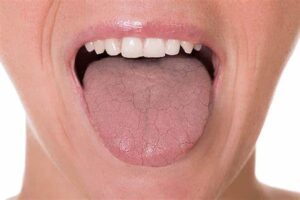
Dry mouth, also known as xerostomia, is a condition characterized by a decrease in saliva production or a change in the composition of saliva. Saliva plays a crucial role in maintaining oral health by lubricating the mouth, neutralizing acids, washing away food particles, and aiding in digestion and speech. Reduced saliva flow can lead to discomfort, difficulty eating and speaking, and an increased risk of dental problems such as tooth decay and gum disease.
Here are some key points about dry mouth:
- Causes:
- Medications: Dry mouth is a common side effect of many prescription and over-the-counter medications, including antihistamines, decongestants, antidepressants, antipsychotics, and certain blood pressure medications.
- Medical conditions: Systemic diseases such as Sjögren's syndrome, diabetes, HIV/AIDS, Parkinson's disease, and autoimmune disorders can affect salivary gland function and lead to dry mouth.
- Radiation therapy: Treatment for head and neck cancer involving radiation to the head and neck area can damage the salivary glands and reduce saliva production.
- Chemotherapy: Some chemotherapy drugs can cause temporary or permanent damage to the salivary glands, leading to dry mouth.
- Aging: Salivary gland function tends to decrease with age, leading to a higher prevalence of dry mouth in older adults.
- Mouth breathing: Breathing through the mouth, particularly during sleep, can dry out the oral tissues and contribute to dry mouth symptoms.
- Smoking or tobacco use: Tobacco use can decrease saliva production and exacerbate dry mouth symptoms.
- Symptoms:
- Dry, sticky feeling in the mouth or throat.
- Difficulty chewing, swallowing, or speaking.
- Persistent thirst.
- Sore throat or hoarseness.
- Dry or cracked lips.
- Bad breath (halitosis).
- Changes in taste or difficulty tasting food.
- Increased risk of oral infections, tooth decay, or gum disease.
- Difficulty wearing dentures or oral appliances due to lack of saliva lubrication.
- Complications:
- Oral health problems: Reduced saliva flow can lead to an increased risk of cavities, gum disease, oral infections (such as thrush), and oral sores or ulcers.
- Difficulty eating and speaking: Dry mouth can make it challenging to chew and swallow food, leading to nutritional deficiencies or weight loss. It can also affect speech clarity and articulation.
- Decreased quality of life: Chronic dry mouth can impact oral comfort, social interactions, and overall well-being, leading to decreased quality of life and psychological distress.
- Diagnosis:
- Diagnosis of dry mouth is based on patient symptoms, medical history, and clinical evaluation by a healthcare professional.
- Your healthcare provider may inquire about medication use, medical conditions, lifestyle factors, and oral hygiene habits that could contribute to dry mouth.
- Additional tests, such as salivary flow rate measurement or blood tests, may be conducted to assess salivary gland function and identify underlying causes of dry mouth.
- Treatment:
- Treatment of dry mouth aims to alleviate symptoms, stimulate saliva production, and prevent complications. Treatment options may include:
- Hydration: Drinking plenty of water or sugar-free fluids throughout the day can help keep the mouth moist and relieve dry mouth symptoms.
- Saliva substitutes: Over-the-counter or prescription saliva substitutes, gels, sprays, or mouth rinses can provide temporary relief by lubricating the mouth and mimicking the properties of natural saliva.
- Salivary stimulants: Chewing sugar-free gum or sucking on sugar-free candies can stimulate saliva production and increase saliva flow.
- Medication adjustment: Your healthcare provider may adjust or change medications that contribute to dry mouth symptoms, if possible.
- Oral hygiene: Maintaining good oral hygiene practices, including regular brushing, flossing, and dental check-ups, can help prevent oral health problems associated with dry mouth.
- Humidification: Using a humidifier in the bedroom or living space can add moisture to the air and help reduce dry mouth symptoms, particularly during sleep.
- Prevention:
- To prevent or minimize dry mouth symptoms, it's important to:
- Stay hydrated by drinking plenty of water throughout the day.
- Avoid or limit alcohol, caffeine, and tobacco, which can contribute to dry mouth.
- Use a humidifier in dry indoor environments to add moisture to the air.
- Practice good oral hygiene habits, including regular brushing, flossing, and dental check-ups.
- Chew sugar-free gum or suck on sugar-free candies to stimulate saliva flow.
- Avoid mouthwashes containing alcohol, as they can exacerbate dry mouth symptoms.
In summary, dry mouth is a common condition characterized by reduced saliva production or changes in saliva composition. It can result from various factors, including medications, medical conditions, radiation therapy, and aging. Dry mouth can lead to discomfort, difficulty eating and speaking, and an increased risk of oral health problems. Treatment options for dry mouth aim to alleviate symptoms, stimulate saliva production, and prevent complications. If you experience persistent or severe dry mouth symptoms, it's important to consult a healthcare professional for evaluation and appropriate management.
Dental Cleanings
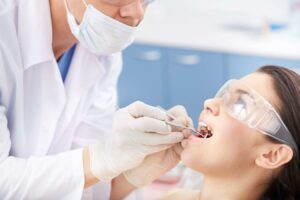
Dental cleanings, also known as prophylaxis or teeth cleaning, are essential preventive dental procedures performed by dental hygienists or dentists to maintain optimal oral health. These cleanings remove plaque, tartar, and stains from the teeth, preventing the development of dental problems such as cavities, gum disease, and bad breath.
Here's an overview of dental cleanings and their key aspects:
- Purpose of Dental Cleanings:
- Plaque Removal: Plaque is a sticky film of bacteria that forms on the teeth and along the gumline. Regular cleanings help remove plaque, preventing it from hardening into tartar.
- Tartar Removal: Tartar, also known as calculus, is hardened plaque that cannot be removed by brushing or flossing alone. Dental instruments are used during cleanings to remove tartar buildup, reducing the risk of gum disease.
- Stain Removal: Dental cleanings can remove surface stains caused by factors such as smoking, coffee, tea, or certain foods, resulting in a brighter and more attractive smile.
- Prevention of Dental Problems: By removing plaque and tartar, dental cleanings help prevent the development of cavities, gingivitis (gum inflammation), periodontitis (gum disease), and other oral health issues.
- Procedure:
- Evaluation: Before the cleaning, the dental hygienist or dentist will perform a thorough examination of the teeth and gums to assess the overall oral health and identify any areas of concern.
- Scaling: Using specialized dental instruments, the hygienist will carefully remove plaque and tartar deposits from the tooth surfaces, including below the gumline.
- Polishing: After scaling, the teeth are polished using a rotating brush or rubber cup attachment and a mildly abrasive toothpaste. This helps remove surface stains and smooths the tooth surfaces, making it more difficult for plaque to adhere.
- Fluoride Treatment: Some dental cleanings may include the application of fluoride gel or varnish to strengthen tooth enamel and provide additional protection against cavities.
- Education: Throughout the cleaning appointment, the dental hygienist or dentist may provide oral hygiene instructions and tips for maintaining good oral health at home, including proper brushing and flossing techniques.
- Frequency of Dental Cleanings:
- The American Dental Association (ADA) recommends regular dental cleanings every six months for most individuals. However, some people may require more frequent cleanings based on their oral health needs, such as those with a history of gum disease or high risk of cavities.
- Patients should follow their dentist's or hygienist's recommendations regarding the frequency of dental cleanings to ensure optimal oral health.
- Benefits of Dental Cleanings:
- Prevention of Dental Problems: Regular cleanings help prevent the development of cavities, gum disease, and other oral health issues, saving time and money on more extensive dental treatments in the future.
- Improved Oral Hygiene: Dental cleanings complement daily brushing and flossing efforts by removing plaque and tartar buildup that cannot be eliminated with regular home care alone.
- Fresh Breath: Removing plaque and tartar buildup helps eliminate bacteria that can cause bad breath, resulting in a fresher and more pleasant breath.
In summary, dental cleanings play a crucial role in maintaining optimal oral health by removing plaque, tartar, and stains from the teeth, preventing the development of dental problems, and promoting a healthy smile. Regular cleanings, combined with good oral hygiene practices at home, are essential for achieving and maintaining a healthy mouth for life.