
Central Park Periodontics
Contact
Hours
<ul id=”hours” style=”transition: height .3s ease;”>
<li>Monday: 9:00am – 9:00pm</li>
<li>Tuesday: 9:00am – 6:00pm</li>
<li>Wednesday: 9:00am – 9:00pm</li>
<li>Thursday: 9:00am – 9:00pm</li>
<li>Friday: 9:00am – 5:00pm</li>
</ul>

Central Park Periodontics, located in the vibrant city of New York, NY, is a premier periodontal practice dedicated to providing exceptional care for patients seeking periodontal treatment and dental implant therapy. Led by a team of skilled periodontists and oral surgeons, Central Park Periodontics offers state-of-the-art treatments in a warm and welcoming environment, ensuring optimal oral health and beautiful smiles for every patient.
Periodontal Services
Gum Disease Treatment
- Comprehensive Evaluation: Thorough examination and diagnosis of gum disease to determine the most effective treatment approach.
- Scaling and Root Planing: Non-surgical deep cleaning to remove plaque and tartar from below the gumline and smooth the tooth roots.
- Periodontal Surgery: Surgical interventions such as flap surgery and bone grafting to treat advanced gum disease and restore periodontal health.
Dental Implant Therapy
- Implant Placement: Expert placement of dental implants to replace missing teeth and provide a stable foundation for crowns, bridges, or dentures.
- Bone Grafting: Bone augmentation procedures to rebuild bone structure and enhance the success of dental implant placement.
- Implant Restoration: Customized restoration of dental implants with lifelike crowns or prosthetic teeth for a natural-looking smile.
Advanced Procedures
Soft Tissue Grafting
- Gum Grafts: Surgical procedures to augment thin or receding gum tissue and improve gum aesthetics and function.
- Connective Tissue Grafts: Techniques to restore gum tissue lost due to periodontal disease or trauma, enhancing smile aesthetics and gum health.
Cosmetic Periodontics
- Gum Contouring: Reshaping of the gumline to create a more symmetrical and aesthetically pleasing smile.
- Crown Lengthening: Surgical procedure to expose more of the tooth’s surface, enhancing the appearance of short or gummy smiles.
Patient Care
Personalized Treatment Plans
- Customized Consultations: In-depth discussions and treatment planning sessions to address each patient’s unique oral health needs and goals.
- Collaborative Approach: Working closely with patients and their referring dentists to ensure coordinated and comprehensive care.
Comfort and Convenience
- Relaxing Environment: A welcoming atmosphere designed to help patients feel at ease during their visits.
- Sedation Options: Providing sedation dentistry options to help anxious patients relax and feel comfortable during treatment.

Tooth Avulsion Management
Tooth avulsion, also known as dental avulsion, is the complete displacement of a tooth from its socket in the alveolar bone due to trauma or injury. It is considered a dental emergency, and prompt and appropriate management is essential to maximize the chances of tooth survival and successful reimplantation. Here's a guide to the management of tooth avulsion:
- Immediate Response:
- Act quickly: Time is crucial in tooth avulsion management. The sooner the tooth is reimplanted, the better the chances of success.
- Handle the tooth carefully: Hold the tooth by the crown (the visible part), avoiding touching the root (the portion normally embedded in the gum). Touching the root can damage the delicate cells necessary for successful reimplantation.
- Rinse the tooth gently: If the tooth is dirty, rinse it briefly under cold running water or saline solution. Do not scrub the tooth or use soap, chemicals, or alcohol, as this can damage the root surface and delicate cells.
- Assess for debris: If there are visible debris or dirt on the tooth, you can try to remove them by gently rinsing with saliva or milk. Avoid wiping or scraping the tooth.
- Check for associated injuries: Assess the patient for any other injuries to the mouth, face, or head, and provide appropriate first aid as needed.
- Reimplantation:
- Reimplant the tooth if possible: If the patient is conscious and cooperative, attempt to reimplant the tooth into its socket immediately.
- Align the tooth correctly: Orient the tooth in its natural position and gently push it back into the socket. Be careful not to force it or push it too far.
- Hold the tooth in place: Once reimplanted, have the patient bite down gently on a clean cloth or gauze to hold the tooth in position.
- Seek immediate dental care: Transport the patient and the reimplanted tooth to a dentist or emergency dental clinic as soon as possible for further evaluation and stabilization.
- Storage and Transport:
- Preserve the tooth properly: If immediate reimplantation is not possible, it is essential to preserve the tooth in the appropriate storage medium to maximize the chances of successful reimplantation.
- Milk: Place the avulsed tooth in a container of cold milk and transport it to the dental office. Milk helps to preserve the tooth's viability and integrity.
- Saline solution: If milk is not available, use a container of saline solution (e.g., contact lens solution) to store the tooth.
- Do not dry the tooth: Avoid allowing the tooth to dry out, as this can decrease the chances of successful reimplantation.
- Dental Evaluation and Treatment:
- Immediate dental evaluation: The patient should be seen by a dentist or emergency dental care provider as soon as possible, ideally within 30 minutes of the injury.
- Examination and assessment: The dentist will examine the avulsed tooth, assess the extent of damage, and determine the feasibility of reimplantation.
- Cleaning and stabilization: The dentist may clean the tooth and socket, stabilize the tooth with a splint, and prescribe antibiotics or pain medication as needed.
- Follow-up care: The patient will require follow-up appointments to monitor the tooth's healing and assess its long-term viability. Additional dental treatments, such as root canal therapy or dental restoration, may be necessary depending on the extent of damage.
- Long-Term Management:
- Monitor healing: The patient should follow the dentist's instructions for post-reimplantation care, including oral hygiene practices and dietary modifications.
- Regular dental visits: Schedule regular follow-up appointments with the dentist to monitor the tooth's healing, assess its stability, and address any complications or concerns.
- Considerations for children: In cases of tooth avulsion in children with primary (baby) teeth, reimplantation may not be possible or advisable. However, prompt dental evaluation is still essential to assess for associated injuries and prevent complications.
In summary, tooth avulsion is a dental emergency that requires prompt and appropriate management to maximize the chances of successful reimplantation and long-term tooth survival. Immediate response, proper storage and transport of the avulsed tooth, dental evaluation and treatment, and long-term follow-up care are essential components of tooth avulsion management. If you or someone you know experiences tooth avulsion, seek immediate dental care and follow the dentist's instructions for optimal outcomes.
Temporomandibular Joint (TMJ) Treatment
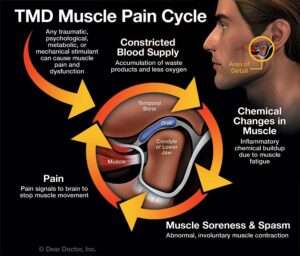
Temporomandibular joint (TMJ) treatment encompasses a variety of approaches aimed at managing and alleviating symptoms associated with temporomandibular joint disorders (TMDs), which affect the jaw joint and surrounding muscles. TMDs can cause a range of symptoms, including jaw pain, difficulty chewing, clicking or popping noises in the jaw joint, headaches, and facial pain. Here's an overview of TMJ treatment options:
- Conservative Treatments:
- Conservative treatments are often the first line of defense for managing TMJ symptoms. These may include:
- Self-Care Techniques: Patients may be advised to practice self-care techniques at home, such as applying moist heat or ice packs to the jaw, practicing relaxation techniques to reduce muscle tension, and avoiding activities that aggravate symptoms, such as chewing gum or clenching the jaw.
- Dietary Modifications: Some patients may benefit from dietary modifications, such as avoiding hard or chewy foods that strain the jaw joint or adopting a soft diet during periods of acute pain.
- Medications: Over-the-counter pain relievers, muscle relaxants, and anti-inflammatory medications may be recommended to alleviate pain and reduce muscle tension associated with TMDs.
- Physical Therapy: Physical therapy techniques, including jaw exercises, manual therapy, and ultrasound therapy, may help improve jaw mobility, strengthen jaw muscles, and reduce pain.
- Dental Treatments:
- Dental treatments may be recommended to address underlying dental issues that contribute to TMJ symptoms. These may include:
- Orthodontic Treatment: Orthodontic appliances, such as braces or clear aligners, may be used to correct bite misalignments or malocclusions that put strain on the TMJ.
- Dental Splints or Night Guards: Custom-fitted oral appliances, such as splints or night guards, may be prescribed to help stabilize the jaw joint, reduce teeth grinding or clenching (bruxism), and prevent further damage to the teeth and jaw.
- Dental Restorations: Dental restorations, such as crowns, bridges, or dental implants, may be used to restore missing teeth or correct dental issues that affect the bite and jaw alignment.
- TMJ Therapy:
- TMJ therapy may involve specialized treatments aimed at addressing TMJ dysfunction and alleviating symptoms. These may include:
- Trigger Point Injections: Injections of pain-relieving medications or corticosteroids into trigger points in the jaw muscles can help reduce muscle spasms and alleviate pain.
- Ultrasound Therapy: Ultrasound therapy uses high-frequency sound waves to promote tissue healing, reduce inflammation, and relieve pain in the TMJ area.
- Transcutaneous Electrical Nerve Stimulation (TENS): TENS therapy involves the use of low-level electrical currents to stimulate nerves in the jaw joint and surrounding muscles, helping to reduce pain and muscle tension.
- Surgical Interventions:
- In severe cases of TMDs that do not respond to conservative treatments, surgical interventions may be considered. These may include:
- Arthroscopic Surgery: Arthroscopic surgery involves minimally invasive procedures to diagnose and treat TMJ disorders, such as removing adhesions, repairing damaged tissues, or realigning the jaw joint.
- Open Joint Surgery: In some cases, open joint surgery may be necessary to access and repair structural issues within the TMJ, such as damaged cartilage or displaced disc.
- Multidisciplinary Approach:
- TMJ treatment often requires a multidisciplinary approach involving collaboration between dentists, oral and maxillofacial surgeons, physical therapists, and other healthcare providers to address the complex nature of TMDs and provide comprehensive care tailored to the individual needs of each patient.
Overall, TMJ treatment aims to reduce pain, improve jaw function, and enhance the quality of life for individuals affected by TMJ disorders. Treatment approaches may vary depending on the severity of symptoms, underlying causes, and individual treatment goals. It's essential for patients to work closely with their healthcare providers to develop a personalized treatment plan that addresses their specific needs and concerns.