

Columbia University College of Dental Medicine
Contact
Hours
- Monday: 9:00am – 9:00pm
- Tuesday: 9:00am – 6:00pm
- Wednesday: 9:00am – 9:00pm
- Thursday: 9:00am – 9:00pm
- Friday: 9:00am – 5:00pm

Columbia University College of Dental Medicine, located in New York, New York, is a renowned institution dedicated to excellence in dental education, research, and patient care. As one of the leading dental schools in the nation, we are committed to preparing future dental professionals through innovative educational programs, cutting-edge research initiatives, and comprehensive clinical experiences. Our faculty consists of world-class educators and researchers who are dedicated to advancing the field of dentistry and improving oral health outcomes for individuals and communities.
Educational Programs
Dental Degree Programs
- Doctor of Dental Surgery (DDS): Rigorous program designed to provide students with a comprehensive education in dental science, clinical skills, and ethical practice.
- Advanced Dental Education: Specialized postgraduate programs offering advanced training in areas such as orthodontics, periodontics, endodontics, and oral surgery.
Continuing Education
- Professional Development: Continuing education courses and seminars for practicing dentists to enhance their clinical skills, stay updated on the latest advancements in dental research, and meet licensure requirements.
- Specialized Training: Advanced training programs for dental specialists seeking to further develop their expertise in specific areas of dentistry.
Clinical Services
Patient Care
- Comprehensive Dental Care: Range of preventive, restorative, and cosmetic dental services provided by faculty-supervised students and experienced dental professionals.
- Specialty Care: Specialized treatment options for complex dental conditions, including orthodontics, periodontics, endodontics, and oral surgery.
Community Outreach
- Public Health Initiatives: Collaborative efforts with community organizations to promote oral health education, provide dental screenings, and deliver preventive services to underserved populations.
- Community Service: Participation in outreach programs and volunteer initiatives to address the oral health needs of underserved communities and improve access to dental care.
Research and Innovation
Scientific Inquiry
- Translational Research: Conducting cutting-edge research to translate scientific discoveries into clinical applications for improved patient care and outcomes.
- Interdisciplinary Collaboration: Collaborating with other academic institutions and research centers to advance knowledge in various areas of dental science and medicine.
Columbia University College of Dental Medicine is dedicated to advancing the field of dentistry through education, research, and patient care. Through our commitment to excellence and innovation, we strive to improve oral health outcomes and make a positive impact on the well-being of individuals and communities locally and globally.
Apicoectomy
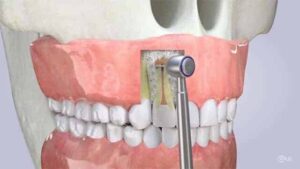
Apicoectomy, also known as root-end resection or root-end surgery, is a dental surgical procedure performed to remove the tip of the tooth's root (apex) and any infected tissue surrounding it. This procedure is typically indicated when a conventional root canal treatment has failed to resolve persistent infection or inflammation in the root canal system of a tooth.
Here's an overview of the apicoectomy procedure:
- Indications:
- Apicoectomy is indicated when a tooth that has undergone root canal treatment continues to exhibit signs of infection, inflammation, or persistent symptoms such as pain, swelling, or drainage.
- Common reasons for apicoectomy include the presence of infection or inflammation in the root canal system that cannot be resolved with conventional root canal therapy, persistent periapical lesions (abscesses), or the presence of accessory canals or anatomical complexities that cannot be adequately treated with nonsurgical means.
- Preoperative Assessment:
- Before performing an apicoectomy, the dentist or endodontist will conduct a comprehensive evaluation of the affected tooth, including clinical examination, radiographic assessment (X-rays), and possibly additional diagnostic tests such as pulp vitality testing or cone-beam computed tomography (CBCT).
- The goal of the preoperative assessment is to identify the cause of the persistent infection or inflammation and determine the suitability of apicoectomy as a treatment option.
- Procedure:
- Anesthesia: Local anesthesia is administered to numb the area surrounding the affected tooth and ensure the patient's comfort during the procedure.
- Tooth isolation: The tooth and surrounding area are isolated using a dental dam or other protective barrier to maintain a clean and sterile field.
- Access: The dentist or endodontist makes a small incision in the gum tissue near the apex of the tooth to access the underlying bone and root tip.
- Root-end resection: Using specialized dental instruments, the dentist or endodontist removes the tip of the tooth's root (apex) along with any infected or inflamed tissue.
- Root-end preparation: The root canal(s) of the tooth may be cleaned, shaped, and filled with a biocompatible material to seal the root canal space and prevent recontamination or reinfection.
- Root-end sealing: A small filling material (such as gutta-percha) is placed in the prepared root canal space, and a root-end filling material (such as mineral trioxide aggregate or dental cement) is used to seal the root-end cavity.
- Suture placement: The gum tissue is repositioned and sutured back into place to facilitate healing.
- Postoperative Care:
- Following the procedure, the patient may experience some discomfort, swelling, or bruising, which can be managed with pain medication and cold compresses applied to the outside of the cheek.
- Patients are advised to follow postoperative instructions provided by the dentist or endodontist, including dietary restrictions, oral hygiene practices, and any prescribed medications.
- Regular follow-up appointments are scheduled to monitor healing, assess the success of the procedure, and address any concerns or complications.
- Prognosis:
- The success of apicoectomy depends on various factors, including the extent of infection or inflammation, the quality of the root-end preparation and sealing, and the patient's oral hygiene and compliance with postoperative care instructions.
- With proper care and maintenance, apicoectomy can provide a favorable outcome, relieving symptoms and preserving the affected tooth for long-term function and aesthetics.
In summary, apicoectomy is a dental surgical procedure performed to remove the tip of a tooth's root (apex) and any infected tissue surrounding it, typically indicated when conventional root canal treatment has failed to resolve persistent infection or inflammation. If you have a tooth that may require apicoectomy or if you have any questions about the procedure, it's important to consult with your dentist or endodontist for a thorough evaluation and personalized treatment plan.
Rehabilitation
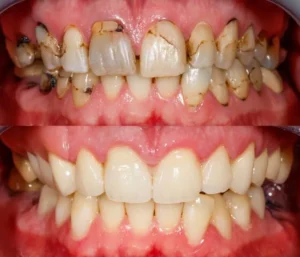
Dental rehabilitation refers to the process of restoring the functionality, aesthetics, and health of a person's oral cavity through various dental treatments and procedures. This comprehensive approach may involve addressing issues such as missing teeth, decayed teeth, gum disease, bite alignment problems, and other oral health issues. Dental rehabilitation aims to improve the overall oral health, restore proper chewing and speech functions, enhance smile aesthetics, and promote long-term dental wellness. Treatment options may include dental implants, bridges, crowns, fillings, orthodontic treatment, periodontal therapy, and other restorative and cosmetic dental procedures, tailored to the individual's needs and goals.
Dental Rehabilitation Builds Better Oral Health
- Oral Health Restoration: Dental rehabilitation aims to restore the health and function of the oral cavity. It addresses issues such as decayed teeth, missing teeth, gum disease, and bite problems, which can affect chewing ability, speech, and overall oral health.
- Prevention of Further Damage: By addressing oral health issues promptly through rehabilitation, further damage can be prevented. Untreated dental problems can lead to complications such as infection, tooth loss, and bone loss, which can worsen over time if left untreated.
- Improvement of Aesthetic Appearance: Dental rehabilitation can significantly improve the aesthetic appearance of the smile. Procedures such as dental implants, crowns, bridges, and orthodontic treatment can enhance the appearance of teeth, resulting in a more attractive smile and increased self-confidence.
- Restoration of Functionality: Missing or damaged teeth can impair the ability to chew food properly and speak clearly. Dental rehabilitation restores functionality to the oral cavity, allowing individuals to eat, speak, and smile with confidence.
- Prevention of Systemic Health Issues: Oral health is closely linked to overall health. Untreated oral health problems can contribute to systemic health issues such as cardiovascular disease, diabetes, and respiratory infections. Dental rehabilitation helps maintain optimal oral health, reducing the risk of associated systemic health problems.
- Improved Quality of Life: By restoring oral health, function, and aesthetics, dental rehabilitation can significantly improve an individual's quality of life. It allows individuals to enjoy a pain-free smile, eat a varied and nutritious diet, speak clearly, and feel more confident in social and professional settings.
Overall, dental rehabilitation plays a crucial role in maintaining oral health, preventing complications, and enhancing the overall well-being and quality of life of individuals.