
Emergency Dentist NYC
Contact
Hours
- Monday: 9:00am – 9:00pm
- Tuesday: 9:00am – 6:00pm
- Wednesday: 9:00am – 9:00pm
- Thursday: 9:00am – 9:00pm
- Friday: 9:00am – 5:00pm

Emergency Dentist NYC, located in the vibrant city of New York, New York, is your trusted provider of immediate dental care when dental emergencies occur. Committed to delivering prompt relief and comprehensive treatment for urgent dental issues, our practice offers a wide range of emergency services in a welcoming and comfortable environment. Led by a team of experienced emergency dentists, Emergency Dentist NYC strives to restore your oral health and alleviate your discomfort quickly and efficiently.
Urgent Dental Services
Emergency Examinations
- Rapid Assessments: Immediate evaluations to diagnose and address dental emergencies promptly.
- Pain Management: Quick relief from dental pain through effective anesthesia and pain management techniques.
Emergency Dental Treatments
- Emergency Extractions: Prompt removal of severely damaged or infected teeth causing acute pain or discomfort.
- Emergency Root Canal Therapy: Expedited root canal treatment to alleviate pain and save infected teeth.
Immediate Care
Same-Day Appointments
- Flexible Scheduling: Accommodating same-day appointments for patients in need of urgent dental care.
- Walk-In Services: Convenient walk-in availability for immediate assessment and treatment of dental emergencies.
Efficient Treatment
- Rapid Response: Prompt attention from skilled emergency dentists to address urgent dental needs without delay.
- Streamlined Procedures: Expedited processes to minimize waiting times and efficiently manage dental emergencies.
Patient Care
Compassionate Approach
- Empathetic Staff: Compassionate and understanding dental professionals dedicated to providing comfort and support during stressful situations.
- Clear Communication: Transparent communication about treatment options, costs, and expectations to empower patients to make informed decisions about their dental care.
Aftercare Support
- Post-Treatment Guidance: Detailed instructions and guidance on post-procedure care and pain management to promote optimal healing and recovery.
- Follow-Up Care: Scheduled follow-up appointments to monitor progress, address any concerns, and ensure the successful resolution of dental emergencies.
Frenectomy
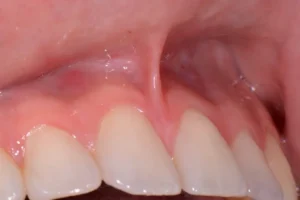
A frenectomy is a surgical procedure performed to remove or release a frenulum, a small fold of tissue that connects two structures in the body. In dentistry, frenectomy most commonly refers to the removal or modification of the lingual frenulum (the band of tissue connecting the underside of the tongue to the floor of the mouth) or the labial frenulum (the band of tissue connecting the lips to the gums).
Here's an overview of the frenectomy procedure:
- Indications:
- Lingual frenectomy may be indicated when the lingual frenulum is too short, tight, or thick, resulting in restricted movement of the tongue (a condition known as ankyloglossia or tongue-tie). This restriction can interfere with speech, eating, and oral hygiene.
- Labial frenectomy may be indicated when the labial frenulum is attached too close to the gumline, causing tension or pulling on the gums. This can contribute to gum recession, difficulty in maintaining oral hygiene, and aesthetic concerns.
- Preparation:
- Before performing a frenectomy, the dentist or oral surgeon will conduct a clinical examination to assess the extent of the frenulum attachment and evaluate the patient's oral health.
- Local anesthesia may be administered to numb the area and ensure the patient's comfort during the procedure.
- Procedure:
- Lingual frenectomy: The dentist or oral surgeon uses a scalpel, laser, or other surgical instrument to make an incision in the lingual frenulum, effectively releasing the attachment. The tissue is then carefully dissected and removed.
- Labial frenectomy: A similar technique is used to release the attachment of the labial frenulum from the gumline. The tissue is excised to allow for proper movement and positioning of the lips.
- Postoperative Care:
- After the frenectomy procedure, the patient may experience some discomfort, swelling, or mild bleeding in the surgical area. Pain medication and cold compresses may be recommended to alleviate discomfort and reduce swelling.
- The patient should follow postoperative instructions provided by the dentist or oral surgeon, including dietary restrictions, oral hygiene practices, and any prescribed medications.
- Healing typically occurs within a few days to a week, depending on the extent of the procedure and the individual's healing response.
- Follow-up:
- Follow-up appointments may be scheduled to monitor healing and ensure proper function and mobility of the affected area.
- Speech therapy or exercises may be recommended to optimize tongue movement and function, especially in cases of lingual frenectomy for tongue-tie.
Frenectomy is a relatively simple and straightforward procedure with low risk and high success rates. It can significantly improve oral function, speech, and oral hygiene in patients with restricted frenula. If you or your child are experiencing symptoms related to a tight or restrictive frenulum, it's important to consult with a qualified dental professional for an evaluation and personalized treatment plan.

Periodontal Surgery
Periodontal surgery, also known as gum surgery or periodontal therapy, encompasses a range of surgical procedures aimed at treating advanced gum disease (periodontitis) and addressing structural issues affecting the gums and supporting tissues of the teeth. Periodontal surgery may be recommended when non-surgical treatments, such as scaling and root planing (deep cleaning), are not sufficient to control gum disease or restore periodontal health. Here's an overview of periodontal surgery and its various treatment options:
- Gingival Flap Surgery:
- Gingival flap surgery is a common type of periodontal surgery used to access and clean deep pockets of infection and inflammation that have formed between the gums and teeth. During the procedure, the gums are gently lifted (flapped) back to expose the underlying tooth roots and surrounding bone. The dentist or periodontist then removes tartar deposits, eliminates diseased tissue, and smooths irregular surfaces on the tooth roots to promote gum reattachment and reduce pocket depth. Once the cleaning is complete, the gums are repositioned and sutured back into place.
- Gingivectomy:
- Gingivectomy is a surgical procedure used to remove and reshape excess gum tissue (gingiva) that has overgrown and encroached upon the tooth surfaces, creating a "gummy" smile or making it difficult to keep the teeth clean. During the procedure, the dentist or periodontist carefully trims away the excess gum tissue using specialized surgical instruments, creating a more proportionate and aesthetically pleasing gum line.
- Osseous Surgery (Bone Surgery):
- Osseous surgery is performed to address bone loss and irregularities in the alveolar bone (the bone that supports the teeth) caused by advanced periodontal disease. During the procedure, the dentist or periodontist accesses the diseased bone and removes or reshapes it to eliminate bacteria and create a smoother, more stable bone surface. Bone grafting or guided tissue regeneration techniques may also be used to regenerate lost bone tissue and promote bone growth in areas of significant bone loss.
- Soft Tissue Grafting:
- Soft tissue grafting, also known as gum grafting, is a surgical procedure used to augment or replace lost or damaged gum tissue caused by gum recession or periodontal disease. During the procedure, tissue grafts sourced from the patient's own palate (autografts), donor tissue (allografts), or synthetic materials are placed over exposed tooth roots or areas of deficient gum tissue to improve gum health, reduce tooth sensitivity, and enhance the appearance of the smile.
- Periodontal Plastic Surgery:
- Periodontal plastic surgery encompasses a variety of surgical techniques aimed at improving the aesthetics and function of the gums. This may include procedures such as crown lengthening to expose more of the tooth structure, ridge augmentation to correct deformities in the jawbone, and frenectomy to remove abnormal frenulum attachments that restrict movement of the lips or tongue.
- Guided Tissue Regeneration (GTR):
- Guided tissue regeneration is a regenerative periodontal therapy used to promote the regeneration of lost periodontal tissues, including bone, cementum, and periodontal ligaments, in areas affected by advanced gum disease. During the procedure, barrier membranes are placed over the exposed root surfaces to prevent soft tissue ingrowth and facilitate the growth of new bone and periodontal ligament attachment.
Periodontal surgery is typically performed under local anesthesia to ensure patient comfort during the procedure. Depending on the complexity of the case and the specific treatment goals, multiple surgical appointments may be required to achieve optimal results. Following periodontal surgery, patients are usually advised to follow a post-operative care regimen, including maintaining good oral hygiene, taking prescribed medications, and attending follow-up appointments to monitor healing and ensure the success of the treatment. By addressing underlying periodontal issues and restoring gum health, periodontal surgery can help prevent tooth loss, improve oral function, and enhance the overall health and appearance of the smile.