
Immediate Dental Service
Contact
Hours
- Monday: 9:00am – 9:00pm
- Tuesday: 9:00am – 6:00pm
- Wednesday: 9:00am – 9:00pm
- Thursday: 9:00am – 9:00pm
- Friday: 9:00am – 5:00pm

Immediate Dental Service, located in the heart of New York, New York, is your go-to destination for prompt and efficient dental care when you need it most. With a commitment to providing immediate relief and solutions for dental emergencies, the practice offers a comprehensive range of urgent dental services in a convenient and accessible location. Led by a team of experienced emergency dentists, Immediate Dental Service strives to deliver high-quality care with minimal wait times, ensuring that patients receive the attention they need when experiencing dental pain or discomfort.
Urgent Dental Services
Emergency Examinations
- Rapid Assessments: Immediate evaluations to diagnose dental emergencies and determine the appropriate course of action.
- Pain Management: Quick relief from dental pain through various techniques, including local anesthesia and sedation options.
Emergency Dental Treatments
- Emergency Extractions: Prompt removal of severely damaged or infected teeth causing acute pain or discomfort.
- Emergency Root Canal Therapy: Expedited root canal treatment to alleviate pain and save infected teeth.
Immediate Care
Same-Day Appointments
- Flexible Scheduling: Accommodating same-day appointments for patients experiencing dental emergencies.
- Walk-In Services: Convenient walk-in availability for urgent dental care without the need for a prior appointment.
Efficient Treatment
- Rapid Response: Prompt attention from experienced emergency dentists to address urgent dental needs without delay.
- Streamlined Procedures: Expedited processes to minimize waiting times and efficiently manage dental emergencies.
Patient Care
Compassionate Approach
- Empathetic Staff: Caring and supportive dental professionals dedicated to providing comfort and reassurance during stressful situations.
- Clear Communication: Transparent explanations of treatment options and expectations to empower patients to make informed decisions about their dental care.
Aftercare Support
- Post-Treatment Guidance: Clear instructions and guidance on managing post-procedure discomfort and maintaining oral health following emergency dental treatments.
- Follow-Up Care: Scheduled follow-up appointments to ensure the successful resolution of dental emergencies and address any lingering concerns.
Prosthetics
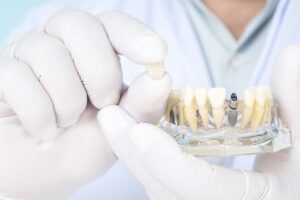
Dental prosthetics are artificial devices used to restore the function, appearance, and structure of teeth, gums, and jaws. These prosthetic devices are custom-made to fit the unique needs of each patient and are designed to replicate the natural form and function of missing or damaged teeth.
There are various types of dental prosthetics, including:
- Dentures: These are removable prosthetic devices used to replace missing teeth and surrounding tissues. Dentures can be partial (replacing a few missing teeth) or complete (replacing all teeth in the upper or lower arch). They are typically made from acrylic resin and may include artificial teeth attached to a gum-colored base.
- Dental Implants: Dental implants are artificial tooth roots made of biocompatible materials such as titanium. They are surgically placed into the jawbone to provide support for replacement teeth, such as crowns, bridges, or dentures. Dental implants offer a durable and long-lasting solution for replacing missing teeth and restoring chewing function.
- Dental Crowns: Also known as caps, dental crowns are prosthetic covers that are placed over damaged or weakened teeth to restore their shape, size, strength, and appearance. Crowns are typically made from materials such as porcelain, ceramic, metal, or a combination of these materials.
- Dental Bridges: A dental bridge is a prosthetic device used to replace one or more missing teeth by bridging the gap between adjacent natural teeth or dental implants. Bridges consist of artificial teeth (pontics) attached to dental crowns or frameworks, which are cemented onto the natural teeth or implants adjacent to the gap.
- Dental Veneers: Dental veneers are thin shells made of porcelain or composite resin that are bonded to the front surface of teeth to improve their appearance. Veneers can be used to cover stains, chips, cracks, or minor misalignments, creating a more aesthetically pleasing smile.
Overall, dental prosthetics play a crucial role in restoring oral function, aesthetics, and confidence for individuals with missing or damaged teeth. These custom-made devices are designed to enhance the quality of life by improving chewing ability, speech clarity, and smile aesthetics.
Anesthesia
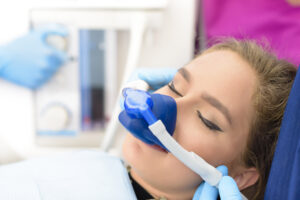
Dental anesthesia, also known as dental anesthetic or local anesthesia, is a medication used by dentists to numb specific areas of the mouth and surrounding tissues during dental procedures. It helps to alleviate pain and discomfort, allowing the dentist to perform treatments effectively and comfortably for the patient.
Here's how dental anesthesia typically works:
- Application: Dental anesthesia is usually administered via injection directly into the gums or tissues near the area being treated. Before administering the injection, the dentist may apply a topical anesthetic gel or spray to numb the surface of the skin and minimize the discomfort of the injection.
- Numbing Effect: Once injected, the anesthesia begins to take effect within a few minutes, temporarily blocking nerve signals in the affected area and preventing the sensation of pain. The patient may feel a tingling or numbing sensation as the anesthesia takes effect, but they should not experience any pain during the procedure.
- Duration: The duration of dental anesthesia varies depending on the type and concentration of the anesthetic used, as well as individual factors such as metabolism and sensitivity to the medication. In general, the effects of local anesthesia typically last for several hours, providing adequate pain relief during and after the dental procedure.
- Types of Anesthesia: There are different types of dental anesthesia available, including lidocaine, articaine, mepivacaine, and prilocaine, among others. The dentist will select the most appropriate type of anesthesia based on the specific needs of the patient and the nature of the dental treatment.
- Safety: Dental anesthesia is considered safe when administered by trained dental professionals in appropriate doses and concentrations. However, like any medication, it carries some risks and potential side effects, such as numbness, swelling, bruising, or allergic reactions. Patients should inform their dentist about any allergies, medical conditions, or medications they are taking before receiving anesthesia.
Dental anesthesia plays a crucial role in ensuring patient comfort and safety during dental procedures, allowing dentists to perform treatments efficiently and effectively. By numbing the affected area and minimizing pain, anesthesia helps to reduce anxiety and fear associated with dental visits, making the experience more pleasant for the patient. Patients should feel free to discuss any concerns or questions they have about dental anesthesia with their dentist before undergoing treatment.