
Manhattan Maxillofacial Surgery Group
Contact
Hours
- Monday: 9:00am – 9:00pm
- Tuesday: 9:00am – 6:00pm
- Wednesday: 9:00am – 9:00pm
- Thursday: 9:00am – 9:00pm
- Friday: 9:00am – 5:00pm

Manhattan Maxillofacial Surgery Group, located in the heart of New York City, is a leading practice specializing in oral and maxillofacial surgery. The group is renowned for its state-of-the-art facilities, cutting-edge technology, and a team of highly skilled animal surgeons dedicated to providing exceptional care. Patients receive personalized, compassionate treatment tailored to their specific surgical needs.
Surgical Services
Oral Surgery
- Wisdom Teeth Extraction: Safe and effective removal of impacted or problematic wisdom teeth.
- Dental Implants: Expert placement of dental implants to replace missing teeth and restore oral functionality.
- Tooth Extractions: Removal of damaged or decayed teeth, with options for sedation to ensure patient comfort.
Maxillofacial Surgery
- Jaw Surgery (Orthognathic Surgery): Corrective surgery to address jaw alignment issues, improve function, and enhance facial aesthetics.
- Treatment of Facial Trauma: Comprehensive care for facial injuries, including fractures and lacerations.
- Reconstructive Surgery: Rebuilding facial structures affected by trauma, disease, or congenital conditions.
Advanced Procedures
- TMJ Disorders: Diagnosis and surgical treatment of temporomandibular joint disorders to relieve pain and improve jaw function.
- Bone Grafting: Advanced bone grafting techniques to prepare the jaw for dental implants or to repair bone loss.
- Oral Pathology: Diagnosis and surgical treatment of diseases affecting the mouth, jaws, and related structures.
Patient Care
Consultation and Planning
- Comprehensive Evaluations: Detailed assessments to create personalized treatment plans tailored to each patient’s needs.
- Advanced Imaging: Use of cutting-edge imaging technology, including 3D scans, for precise diagnosis and treatment planning.
- Pre- and Post-Operative Care: Thorough guidance and support before and after surgery to ensure optimal recovery and outcomes.
Comfort and Support
- Patient Education: Detailed explanations of procedures and recovery processes to help patients feel informed and confident.
- Comfort Management: Options for sedation and anesthesia to ensure patient comfort and reduce anxiety during procedures.
- Follow-Up Care: Regular follow-up appointments to monitor healing and address any concerns promptly.

Bone Grafting
Bone grafting is a surgical procedure used to augment or replace bone that has been lost or damaged due to trauma, disease, or other factors. It is commonly performed in dentistry, orthopedics, and reconstructive surgery to regenerate bone tissue and promote healing in areas where bone deficiency or defects are present. In dentistry, bone grafting is often used to enhance the stability and support of dental implants, treat periodontal disease, or repair defects in the jawbone. Here's an overview of bone grafting and its applications in dentistry:
- Purpose of Bone Grafting:
- Bone grafting is performed to stimulate bone growth, fill in bone defects or voids, and provide structural support in areas where bone volume or density is insufficient. The procedure helps restore the natural architecture and function of the bone, creating a suitable foundation for dental implants, prosthetics, or other dental restorations.
- Types of Bone Grafts:
- There are several types of bone grafts used in dentistry, including:
- Autogenous Grafts: Autogenous bone grafts, also known as autografts, involve harvesting bone tissue from the patient's own body, typically from the jaw, hip, or tibia. Autografts are considered the gold standard for bone grafting procedures because they offer excellent biocompatibility, osteogenic potential, and minimal risk of immune rejection.
- Allogeneic Grafts: Allogeneic bone grafts are derived from human cadaveric donors and processed to remove cellular components while preserving the bone's structural integrity. These grafts are readily available and eliminate the need for additional surgical sites, but they carry a slight risk of disease transmission and may require additional processing to ensure compatibility.
- Xenogeneic Grafts: Xenogeneic bone grafts are sourced from non-human animal donors, such as bovine (cow) or porcine (pig) sources. These grafts are treated to remove antigenic materials and sterilized to reduce the risk of immune rejection and disease transmission. Xenogeneic grafts provide an alternative option for patients who cannot undergo autogenous grafting or prefer non-human-derived materials.
- Synthetic Grafts: Synthetic bone grafts are composed of biocompatible materials, such as calcium phosphate ceramics or bioactive glass, designed to mimic the properties of natural bone and promote new bone formation. Synthetic grafts offer the advantage of predictable resorption rates, unlimited availability, and reduced risk of disease transmission, but they may not possess the same osteogenic potential as natural bone grafts.
- Indications for Bone Grafting:
- Bone grafting may be indicated in various dental procedures, including:
- Dental Implant Placement: Bone grafting is often performed prior to or during dental implant surgery to augment the jawbone and provide adequate support for implant placement. Grafting may be necessary in cases of bone resorption, inadequate bone volume, or anatomical defects that compromise implant stability and longevity.
- Ridge Augmentation: Ridge augmentation procedures involve adding bone graft material to the alveolar ridge (jawbone) to correct deficiencies in bone volume, width, or height. These procedures are commonly performed to enhance the aesthetics and function of the jawbone in preparation for dental implant placement or prosthetic rehabilitation.
- Socket Preservation: Socket preservation is a preventive bone grafting procedure performed immediately following tooth extraction to preserve the natural bone structure and prevent bone loss or resorption. Grafting materials are placed within the extraction socket to fill the void and maintain the surrounding bone volume, facilitating future implant placement or prosthetic restoration.
- Bone Grafting Procedure:
- The bone grafting procedure typically involves several steps, including:
- Preoperative Evaluation: The patient undergoes a thorough clinical and radiographic examination to assess the extent of bone loss or defects and determine the most appropriate treatment plan.
- Graft Material Selection: The dentist selects the most suitable graft material based on the patient's needs, anatomical considerations, and treatment goals.
- Graft Placement: The graft material is placed into the desired site using surgical techniques, such as guided bone regeneration (GBR), bone expansion, or sinus lift procedures. The graft is secured in place and covered with a protective membrane or barrier to promote healing and prevent soft tissue invasion.
- Healing and Integration: Over time, the graft material integrates with the surrounding bone tissue through a process called osseointegration, forming a stable, functional bone matrix. The patient undergoes regular follow-up visits to monitor healing progress and assess treatment outcomes.
- Postoperative Care and Recovery:
- Following bone grafting surgery, patients are provided with postoperative instructions and guidelines to promote healing and minimize complications. This may include:
- Pain Management: Patients may experience mild discomfort or swelling after surgery, which can be managed with over-the-counter pain medications and cold compresses.
- Oral Hygiene: Patients are instructed to maintain good oral hygiene practices, including gentle brushing and flossing, to keep the surgical site clean and free of debris.
- Dietary Restrictions: Patients may be advised to follow a soft diet and avoid hard, crunchy, or spicy foods that could irritate the surgical site or disrupt healing.
- Activity Modification: Patients should avoid strenuous physical activities, smoking, and excessive alcohol consumption during the initial healing period to promote optimal recovery and minimize complications.
- Long-Term Outcomes:
- The success of bone grafting procedures depends on various factors, including the quality and quantity of bone graft material, the patient's overall health, and adherence to postoperative care instructions. With proper treatment and follow-up, bone grafting can significantly improve bone volume and density, enhance oral function, and facilitate the success of subsequent dental procedures, such as dental implant placement or prosthetic rehabilitation.
In summary, bone grafting is a valuable surgical technique used in dentistry to restore bone volume, support
Implant-supported Bridge
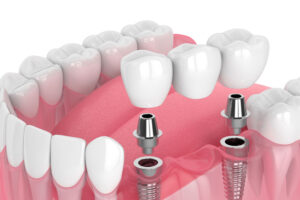
An implant-supported bridge is a dental restoration used to replace multiple missing teeth in a row by anchoring the bridge to dental implants instead of natural teeth. It is a popular treatment option for restoring both function and aesthetics in cases where several adjacent teeth are missing or need to be replaced. Here's an overview of the process involved in placing an implant-supported bridge:
- Evaluation and Treatment Planning:
- Before undergoing implant treatment, the patient will undergo a comprehensive dental examination, including clinical assessment and radiographic evaluation (such as dental X-rays or CBCT scans).
- The dentist or oral surgeon will assess the patient's oral health, bone density, and suitability for implant placement.
- A thorough treatment plan will be developed based on the patient's individual needs and goals.
- Implant Placement:
- The first step in the process involves surgically placing dental implants into the jawbone at strategic locations to support the bridge.
- The number of implants needed depends on factors such as the size and location of the gap, the quality and quantity of available bone, and the overall treatment plan.
- Implant placement is typically performed under local anesthesia to ensure the patient's comfort during the procedure.
- Healing and Osseointegration:
- After implant placement, a healing period of several months is usually required to allow for osseointegration to occur.
- During this time, the implants fuse with the surrounding bone tissue, becoming firmly anchored in the jawbone.
- Temporary restorations may be placed during the healing period to maintain aesthetics and function.
- Abutment Placement:
- Once osseointegration is complete, abutments are attached to the implants.
- Abutments are connector pieces that protrude from the gumline and serve as the attachment points for the implant-supported bridge.
- Impressions and Fabrication of Bridge:
- After the abutments are placed, impressions of the implant sites and surrounding teeth are taken to create a custom-made bridge.
- The bridge is fabricated in a dental laboratory using durable and lifelike materials that mimic the appearance and function of natural teeth.
- Final Restoration:
- Once the bridge is completed, it is attached to the abutments and secured in place using dental cement or a screw-retained mechanism.
- The bridge is adjusted and polished to ensure proper fit, function, and aesthetics.
- The patient's bite and occlusion are checked to ensure comfort and stability.
- Postoperative Care and Maintenance:
- After the implant-supported bridge is placed, the patient will receive instructions on postoperative care and maintenance.
- Regular dental check-ups and professional cleanings are essential to monitor the health of the implants and surrounding tissues.
- Good oral hygiene practices, including brushing, flossing, and using antimicrobial mouthwash, are important for long-term success.
Implant-supported bridges offer numerous benefits, including improved aesthetics, stability, and function compared to traditional bridges or removable dentures. With proper care and maintenance, an implant-supported bridge can provide long-lasting and natural-looking results, enhancing both oral health and quality of life. If you are considering implant treatment, it's important to consult with a qualified dental professional to determine the best treatment plan for your individual needs.