
New York Endodontic Associates
Contact
Hours
<ul id=”hours” style=”transition: height .3s ease;”>
<li>Monday: 9:00am – 9:00pm</li>
<li>Tuesday: 9:00am – 6:00pm</li>
<li>Wednesday: 9:00am – 9:00pm</li>
<li>Thursday: 9:00am – 9:00pm</li>
<li>Friday: 9:00am – 5:00pm</li>
</ul>

New York Endodontic Associates, located in the bustling city of New York, NY, is a leading practice specializing in endodontic care. The practice is dedicated to providing exceptional root canal therapy and other endodontic treatments in a comfortable and compassionate environment. Led by a team of experienced endodontists, New York Endodontic Associates offers state-of-the-art procedures to save natural teeth and relieve dental pain.
Endodontic Services
Root Canal Therapy
- Expert Diagnosis: Accurate diagnosis of dental pain and identification of the cause to determine the need for root canal treatment.
- Precision Treatment: State-of-the-art techniques and equipment to perform root canal therapy with precision and efficiency.
- Gentle Care: Compassionate approach to alleviate dental anxiety and ensure a comfortable experience for every patient.
Endodontic Surgery
- Apicoectomy: Surgical procedure to remove infected tissue and seal the root tip, often performed when conventional root canal therapy is not sufficient.
- Root Canal Retreatment: Revision of a previous root canal treatment to address persistent infection or other complications.
Advanced Procedures
Microscopic Endodontics
- High-Powered Microscopes: Utilization of advanced microscopes for enhanced visualization and precision during root canal procedures.
- Ultrasonic Instrumentation: Gentle and efficient removal of infected tissue using ultrasonic technology, minimizing trauma to surrounding tissues.
Regenerative Endodontics
- Pulpotomy: Partial removal of damaged pulp tissue followed by application of regenerative materials to promote healing and preserve tooth vitality.
- Revascularization: Stimulating the growth of new blood vessels and tissues inside the tooth to revitalize damaged or infected pulp.
Patient Care
Comprehensive Consultations
- Thorough Examinations: Detailed evaluations and discussions to educate patients about their treatment options and address any concerns.
- Personalized Treatment Plans: Customized treatment plans tailored to each patient’s unique oral health needs and goals.
Comfort and Support
- Relaxing Environment: A calming atmosphere designed to help patients feel at ease during their visits.
- Pain Management: Utilization of advanced anesthesia techniques to minimize discomfort during procedures.
Implant-supported Dentures
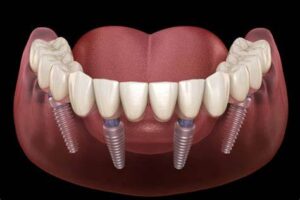
Implant-supported dentures are a type of dental restoration used to replace multiple missing teeth, typically an entire dental arch (either upper or lower), by anchoring the denture to dental implants. Unlike traditional dentures that rely solely on suction or adhesives for stability, implant-supported dentures are securely attached to dental implants embedded in the jawbone, providing increased stability, comfort, and chewing efficiency. Here's an overview of the process involved in placing implant-supported dentures:
- Evaluation and Treatment Planning:
- Before undergoing implant treatment, the patient will undergo a comprehensive dental examination, including clinical assessment and radiographic evaluation (such as dental X-rays or CBCT scans).
- The dentist or oral surgeon will assess the patient's oral health, bone density, and suitability for implant placement.
- A thorough treatment plan will be developed based on the patient's individual needs and goals.
- Implant Placement:
- The first step in the process involves surgically placing dental implants into the jawbone at strategic locations to support the denture.
- The number of implants needed depends on factors such as the size and shape of the jawbone, the stability of the implants, and the overall treatment plan.
- Implant placement is typically performed under local anesthesia to ensure the patient's comfort during the procedure.
- Healing and Osseointegration:
- After implant placement, a healing period of several months is usually required to allow for osseointegration to occur.
- During this time, the implants fuse with the surrounding bone tissue, becoming firmly anchored in the jawbone.
- Temporary restorations may be placed during the healing period to maintain aesthetics and function.
- Abutment Placement:
- Once osseointegration is complete, abutments are attached to the implants.
- Abutments are connector pieces that protrude from the gumline and serve as the attachment points for the implant-supported denture.
- Impressions and Fabrication of Denture:
- After the abutments are placed, impressions of the implant sites and surrounding tissues are taken to create a custom-made denture.
- The denture is fabricated in a dental laboratory using durable and lifelike materials that mimic the appearance and function of natural teeth.
- The denture is designed to fit securely over the abutments and provide optimal support and stability.
- Final Restoration:
- Once the denture is completed, it is attached to the abutments and secured in place using dental screws or other retention mechanisms.
- The denture is adjusted and polished to ensure proper fit, function, and aesthetics.
- The patient's bite and occlusion are checked to ensure comfort and stability.
- Postoperative Care and Maintenance:
- After the implant-supported denture is placed, the patient will receive instructions on postoperative care and maintenance.
- Regular dental check-ups and professional cleanings are essential to monitor the health of the implants and surrounding tissues.
- Good oral hygiene practices, including brushing, flossing, and using antimicrobial mouthwash, are important for long-term success.
Implant-supported dentures offer numerous benefits, including improved stability, comfort, and chewing efficiency compared to traditional dentures. With proper care and maintenance, an implant-supported denture can provide long-lasting and natural-looking results, enhancing both oral health and quality of life. If you are considering implant treatment, it's important to consult with a qualified dental professional to determine the best treatment plan for your individual needs.
Tooth Recontouring
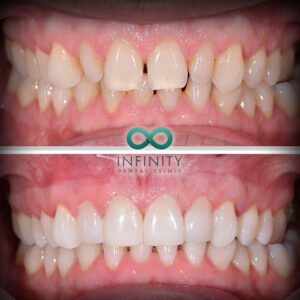
Tooth recontouring, also known as dental reshaping or enameloplasty, is a cosmetic dental procedure aimed at improving the appearance and alignment of the teeth. It involves the removal of small amounts of enamel from the tooth surface to reshape or sculpt the tooth.
Here's how tooth recontouring typically works:
- Evaluation: Before the procedure, the dentist will conduct a thorough examination of your teeth to assess their shape, size, and alignment. They will also discuss your goals and expectations for the treatment.
- Treatment Planning: Based on the evaluation, the dentist will develop a treatment plan tailored to your specific needs and preferences. Tooth recontouring is most commonly used to address minor imperfections such as small chips, uneven edges, or overlapping teeth.
- Procedure: During the procedure, the dentist will use specialized dental instruments to carefully remove small amounts of enamel from the tooth surface. This may involve reshaping the edges of the teeth, smoothing out rough areas, or adjusting the length or contours of the teeth to create a more harmonious and balanced appearance.
- Finishing: After reshaping the teeth, the dentist will polish the treated surfaces to smooth out any rough edges and enhance the overall aesthetics of the teeth. This helps to create a natural-looking result that blends seamlessly with the surrounding teeth.
- Follow-Up: Depending on the extent of the treatment, you may be asked to schedule a follow-up appointment to evaluate the results and make any necessary adjustments. In some cases, tooth recontouring may be combined with other cosmetic dental procedures such as bonding or veneers to achieve the desired outcome.
Tooth recontouring is a relatively simple and conservative procedure that can produce dramatic improvements in the appearance of the teeth with minimal discomfort or downtime. It is often used as a cost-effective alternative to more extensive treatments such as crowns or veneers for correcting minor cosmetic issues.
However, tooth recontouring may not be suitable for everyone, especially if you have significant structural issues or require more extensive changes to the shape or alignment of your teeth. It's essential to consult with your dentist to determine the most appropriate treatment options based on your individual needs and goals.