
Park Avenue Orthodontics
Contact
Hours
- Monday: 9:00am – 9:00pm
- Tuesday: 9:00am – 6:00pm
- Wednesday: 9:00am – 9:00pm
- Thursday: 9:00am – 9:00pm
- Friday: 9:00am – 5:00pm

Park Avenue Orthodontics, nestled in the heart of New York, New York, is committed to providing exceptional orthodontic care in a modern and comfortable setting. Led by a team of skilled orthodontists, our practice combines cutting-edge technology with personalized treatment plans to help patients achieve beautiful and healthy smiles. Whether you’re seeking traditional braces or clear aligners, Park Avenue Orthodontics offers a comprehensive range of orthodontic services tailored to your individual needs.
Orthodontic Services
Traditional Braces
- Metal Braces: Time-tested orthodontic solution for correcting misaligned teeth and bite issues.
- Ceramic Braces: Clear or tooth-colored brackets for a more discreet orthodontic treatment option.
Clear Aligner Therapy
- Invisalign: Removable clear aligners for a virtually invisible way to straighten teeth without traditional braces.
- ClearCorrect: Transparent aligners that gradually shift teeth into alignment for a more aesthetically pleasing smile.
Comprehensive Orthodontic Care
Initial Consultation
- Orthodontic Evaluation: Thorough assessment to determine the most suitable treatment plan for your unique orthodontic needs.
- Customized Treatment Plan: Tailored orthodontic approach designed to achieve optimal results while considering your lifestyle and preferences.
Orthodontic Treatment
- Braces Adjustment: Regular visits to ensure braces or aligners are properly adjusted for consistent progress and comfort.
- Interceptive Orthodontics: Early intervention to address orthodontic issues in children and guide proper jaw and tooth development.
Patient Experience
Comfortable Environment
- Modern Facility: State-of-the-art office equipped with the latest orthodontic technology for efficient and effective treatment.
- Relaxing Atmosphere: Comfortable and inviting environment to help patients feel at ease during their orthodontic appointments.
Personalized Care
- Individualized Attention: Dedicated orthodontic team committed to providing personalized care and addressing your specific concerns throughout your treatment journey.
- Open Communication: Transparent communication about your treatment plan, progress, and any adjustments needed to ensure the best possible outcome.
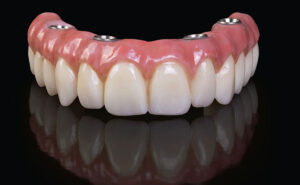
All-on-4 Dental Implants
"All-on-4" dental implants refer to a specific dental implant treatment concept designed to provide edentulous (toothless) patients with a fixed full-arch dental restoration supported by only four dental implants. This innovative treatment approach allows for the rehabilitation of an entire dental arch (either upper or lower) using fewer implants compared to traditional implant-supported prostheses. Here's an overview of the All-on-4 dental implant procedure:
- Evaluation and Treatment Planning:
- Before undergoing All-on-4 dental implant treatment, the patient will undergo a comprehensive dental examination, including clinical assessment and radiographic evaluation (such as dental X-rays or CBCT scans).
- The dentist or oral surgeon will assess the patient's oral health, bone density, and suitability for implant placement.
- A detailed treatment plan will be developed based on the patient's individual needs and goals.
- Implant Placement:
- The first step in the All-on-4 dental implant procedure involves surgically placing four dental implants into the jawbone at strategic locations to support the full-arch restoration.
- The implants are strategically angled and positioned to maximize bone anchorage and avoid anatomical structures, such as nerves or sinuses.
- Implant placement is typically performed under local anesthesia or sedation to ensure the patient's comfort during the procedure.
- Immediate Loading:
- In many cases, All-on-4 dental implants allow for immediate loading, meaning that a temporary fixed prosthesis can be attached to the implants on the same day as surgery.
- Immediate loading provides patients with immediate function and aesthetics while the implants undergo osseointegration.
- Healing and Osseointegration:
- After implant placement, a healing period of several months is usually required to allow for osseointegration to occur.
- During this time, the implants fuse with the surrounding bone tissue, becoming firmly anchored in the jawbone.
- Temporary restorations may be placed during the healing period to maintain aesthetics and function.
- Final Restoration:
- Once osseointegration is complete, the dental implants are ready to support the final full-arch restoration.
- A custom-made fixed prosthesis, typically made of high-quality dental materials such as porcelain or acrylic, is fabricated to fit securely over the implants and restore function and aesthetics.
- The final prosthesis is attached to the implants using special abutments or connectors, providing stability and support for chewing and speaking.
- Postoperative Care and Maintenance:
- After the All-on-4 dental implant restoration is placed, the patient will receive instructions on postoperative care and maintenance.
- Regular dental check-ups and professional cleanings are essential to monitor the health of the implants and surrounding tissues.
- Good oral hygiene practices, including brushing, flossing, and using antimicrobial mouthwash, are important for long-term success.
All-on-4 dental implants offer several advantages over traditional removable dentures, including improved stability, function, and aesthetics. With proper care and maintenance, an All-on-4 dental implant restoration can provide long-lasting and natural-looking results, enhancing both oral health and quality of life. If you are considering All-on-4 dental implant treatment, it's important to consult with a qualified dental professional to determine the best treatment plan for your individual needs.
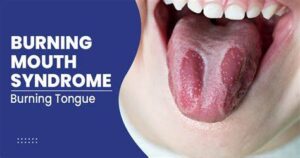
Burning Mouth Syndrome
Burning mouth syndrome (BMS) is a complex and often frustrating condition characterized by a burning sensation or discomfort in the mouth, typically involving the tongue, lips, palate, gums, or throat. The discomfort may range from mild to severe and may persist for months or even years. BMS can significantly impact quality of life and may lead to difficulty eating, speaking, and performing daily activities.
Here are some key points about burning mouth syndrome:
- Symptoms:
- Burning or scalding sensation in the mouth, often described as a feeling of heat, tingling, or numbness.
- Dry mouth (xerostomia) or excessive saliva production (sialorrhea).
- Altered taste sensation, such as a metallic or bitter taste.
- Soreness or irritation of the mouth tissues, including the tongue, lips, gums, palate, or throat.
- Symptoms may worsen throughout the day, peaking in the late afternoon or evening.
- Causes:
- The exact cause of burning mouth syndrome is often difficult to determine and may involve multiple factors.
- Potential causes or contributing factors may include:
- Oral candidiasis (yeast infection), oral thrush, or other oral infections.
- Dry mouth (xerostomia) due to reduced saliva production, which can be caused by medications, systemic conditions, or salivary gland dysfunction.
- Nutritional deficiencies, such as vitamin B12 deficiency, iron deficiency, or folate deficiency.
- Hormonal changes, particularly in women during menopause or hormonal fluctuations.
- Psychological factors, such as stress, anxiety, depression, or psychological disorders.
- Neurological disorders or nerve damage, such as trigeminal neuralgia or neuropathic pain syndromes.
- Allergic reactions or sensitivity to certain foods, food additives, dental materials, or oral hygiene products.
- Diagnosis:
- Diagnosis of burning mouth syndrome involves a comprehensive evaluation by a healthcare provider, typically a dentist, oral medicine specialist, or otolaryngologist.
- Medical and dental history, including medication use, dietary habits, oral hygiene practices, and presence of underlying medical conditions or psychological factors.
- Clinical examination of the oral cavity, including assessment of oral mucosa, salivary gland function, and presence of oral infections or lesions.
- Laboratory tests, such as blood tests to assess for nutritional deficiencies or systemic conditions, and oral swabs or cultures to evaluate for oral infections.
- Treatment:
- Treatment of burning mouth syndrome aims to alleviate symptoms, address underlying causes or contributing factors, and improve quality of life.
- Management options may include:
- Symptomatic relief measures, such as topical oral analgesics, mouth rinses, or oral moisturizers to soothe and hydrate the oral tissues.
- Medications, such as tricyclic antidepressants, anticonvulsants, benzodiazepines, or topical capsaicin, to manage neuropathic pain or underlying psychological factors.
- Correction of nutritional deficiencies through dietary modifications or supplementation with vitamins or minerals.
- Stress management techniques, relaxation therapies, or counseling to address psychological factors contributing to symptoms.
- Avoidance of potential triggers or irritants, such as spicy foods, acidic beverages, tobacco, alcohol, or irritating oral hygiene products.
- Referral to specialists, such as oral medicine specialists, neurologists, or psychologists, for further evaluation and management of underlying conditions.
- Prognosis:
- The prognosis for burning mouth syndrome varies depending on the underlying cause, severity of symptoms, and response to treatment.
- Some individuals may experience spontaneous resolution or improvement of symptoms over time, while others may require ongoing management and support.
- Multidisciplinary approach involving dental, medical, and psychological interventions may be necessary for comprehensive management of burning mouth syndrome.
In summary, burning mouth syndrome is a complex and often challenging condition characterized by a burning sensation or discomfort in the mouth. It can have multiple potential causes or contributing factors and may require a comprehensive evaluation and management approach involving dental, medical, and psychological interventions. Treatment aims to alleviate symptoms, address underlying causes, and improve quality of life for individuals affected by this condition.