
Upper East Side Orthodontics
Contact
Hours
- Monday: 9:00am – 9:00pm
- Tuesday: 9:00am – 6:00pm
- Wednesday: 9:00am – 9:00pm
- Thursday: 9:00am – 9:00pm
- Friday: 9:00am – 5:00pm

Upper East Side Orthodontics, located in the vibrant city of New York, New York, is dedicated to providing top-quality orthodontic care in a welcoming and comfortable environment. Led by a team of experienced orthodontists, our practice combines advanced technology with personalized treatment plans to help patients achieve the smiles they’ve always dreamed of. Whether you’re considering traditional braces or clear aligners, Upper East Side Orthodontics offers a comprehensive range of orthodontic services tailored to your unique needs.
Orthodontic Services
Traditional Braces
- Metal Braces: Time-tested orthodontic solution for correcting misaligned teeth and bite issues.
- Ceramic Braces: Clear or tooth-colored brackets for a more discreet orthodontic treatment option.
Clear Aligner Therapy
- Invisalign: Removable clear aligners for a virtually invisible way to straighten teeth without traditional braces.
- ClearCorrect: Transparent aligners that gradually shift teeth into alignment for a more aesthetically pleasing smile.
Comprehensive Orthodontic Care
Initial Consultation
- Orthodontic Evaluation: Thorough assessment to determine the most suitable treatment plan for your individual orthodontic needs.
- Customized Treatment Plan: Tailored orthodontic approach designed to achieve optimal results while considering your lifestyle and preferences.
Orthodontic Treatment
- Braces Adjustment: Regular visits to ensure braces or aligners are properly adjusted for consistent progress and comfort.
- Interceptive Orthodontics: Early intervention to address orthodontic issues in children and guide proper jaw and tooth development.
Patient Experience
Comfortable Environment
- Modern Facility: State-of-the-art office equipped with the latest orthodontic technology for efficient and effective treatment.
- Relaxing Atmosphere: Comfortable and inviting environment to help patients feel at ease during their orthodontic appointments.
Personalized Care
- Individualized Attention: Dedicated orthodontic team committed to providing personalized care and addressing your specific concerns throughout your treatment journey.
- Open Communication: Transparent communication about your treatment plan, progress, and any adjustments needed to ensure the best possible outcome.
Oral Cancer Screening
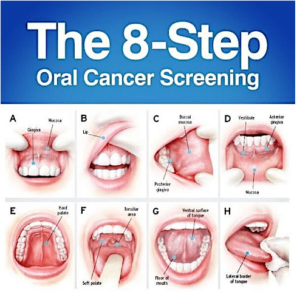
Oral cancer screening is a preventive healthcare measure aimed at detecting signs and symptoms of oral cancer or precancerous lesions in the mouth, lips, tongue, gums, throat, or adjacent tissues at an early stage when treatment is most effective. Here's an overview of oral cancer screening and its key aspects:
- Importance of Oral Cancer Screening:
- Oral cancer is a serious and potentially life-threatening condition that can affect anyone, regardless of age, gender, or lifestyle factors. Early detection of oral cancer greatly improves the chances of successful treatment and survival.
- Oral cancer screening allows dentists and healthcare providers to identify suspicious lesions or abnormalities in the oral cavity that may indicate the presence of oral cancer or precancerous changes.
- Regular oral cancer screening is particularly important for individuals at higher risk, including tobacco users (smokers and smokeless tobacco users), heavy alcohol consumers, individuals with a family history of oral cancer, and those with human papillomavirus (HPV) infection.
- Screening Methods and Techniques:
- Oral cancer screening may be performed as part of a routine dental examination or as a standalone procedure during a visit to the dentist or healthcare provider.
- The screening process typically involves a visual examination of the oral cavity, lips, tongue, gums, throat, and adjacent tissues to look for any abnormalities, such as lumps, bumps, ulcers, red or white patches, or other suspicious lesions.
- In some cases, additional diagnostic tests or imaging studies, such as toluidine blue staining, brush biopsy, tissue biopsy, or imaging modalities like X-rays, CT scans, or MRI scans, may be recommended to further evaluate suspicious lesions and confirm or rule out the presence of cancer.
- Clinical Signs and Symptoms of Oral Cancer:
- During the oral cancer screening, the dentist or healthcare provider will look for the following signs and symptoms that may raise suspicion of oral cancer:
- Persistent mouth ulcers or sores that do not heal within two weeks.
- Red or white patches (leukoplakia or erythroplakia) on the oral mucosa.
- Unexplained swelling, lumps, or thickening of tissues in the mouth or neck.
- Pain, numbness, or difficulty swallowing (dysphagia).
- Chronic hoarseness or changes in voice quality.
- Persistent sore throat, ear pain, or jaw stiffness.
- Unexplained bleeding or numbness in the mouth.
- Risk Factors for Oral Cancer:
- Several factors increase the risk of developing oral cancer, including:
- Tobacco Use: Smoking cigarettes, cigars, pipes, or using smokeless tobacco products (chewing tobacco, snuff) greatly increases the risk of oral cancer.
- Heavy Alcohol Consumption: Excessive alcohol consumption, especially when combined with tobacco use, significantly raises the risk of oral cancer.
- HPV Infection: Certain strains of human papillomavirus (HPV), particularly HPV-16 and HPV-18, have been linked to an increased risk of oral and oropharyngeal cancers.
- Sun Exposure: Prolonged exposure to ultraviolet (UV) radiation from the sun or tanning beds increases the risk of lip cancer.
- Age and Gender: Oral cancer tends to occur more frequently in older adults over the age of 50 and is more common in men than women.
- Preventive Measures and Follow-up:
- While oral cancer screening can help detect early signs of oral cancer, prevention is key to reducing the risk of developing the disease.
- Individuals can reduce their risk of oral cancer by avoiding tobacco use, moderating alcohol consumption, practicing good oral hygiene, eating a healthy diet rich in fruits and vegetables, and minimizing exposure to known risk factors.
- Regular dental check-ups and oral cancer screenings are essential for early detection and prompt treatment of oral cancer. Patients should follow up with their dentist or healthcare provider if they notice any changes or abnormalities in their oral health between screenings.
In summary, oral cancer screening is a vital component of preventive healthcare aimed at detecting oral cancer and precancerous lesions at an early stage when treatment is most effective. By undergoing regular screenings, individuals can reduce their risk of developing oral cancer and improve their chances of successful treatment and recovery.
Emergency Treatment
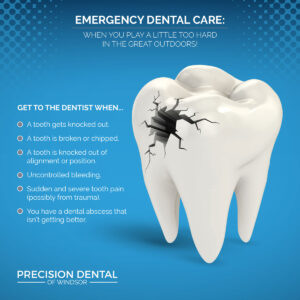
Dental emergencies can range from sudden toothaches and broken teeth to injuries involving the mouth or jaw. These situations can be distressing and require prompt attention to alleviate pain, prevent further damage, and preserve oral health. Here are some common types of dental emergencies and their respective treatments:
- Toothaches:
- Treatment: The appropriate treatment for a toothache depends on the underlying cause. In many cases, toothaches are caused by dental decay, infection, or trauma to the tooth. Treatment may involve removing decay, performing a root canal procedure, or extracting the tooth if it cannot be saved.
- Chipped or Broken Teeth:
- Treatment: If a tooth is chipped or broken, it's essential to see a dentist as soon as possible. Treatment options may include dental bonding, dental crowns, or veneers to restore the appearance and function of the tooth. In some cases, a root canal may be necessary if the inner pulp of the tooth is damaged.
- Knocked-Out Tooth (Avulsed Tooth):
- Treatment: A knocked-out tooth requires immediate attention to increase the chances of successful re-implantation. If possible, gently rinse the tooth with water, being careful not to remove any attached tissue fragments. Place the tooth back into its socket if feasible, or store it in milk or saliva until you can see a dentist. Time is of the essence, so seek emergency dental care immediately.
- Lost or Loose Dental Restorations:
- Treatment: If a dental filling, crown, or bridge becomes loose or falls out, it's essential to see a dentist promptly. Your dentist can assess the situation and determine the appropriate course of action, which may involve repairing or replacing the restoration to prevent further damage or discomfort.
- Abscesses or Dental Infections:
- Treatment: Dental abscesses or infections can cause severe pain, swelling, and fever and require immediate attention to prevent complications. Treatment typically involves draining the abscess, prescribing antibiotics to clear the infection, and performing root canal therapy to remove infected tissue and save the tooth.
- Soft Tissue Injuries:
- Treatment: Injuries to the soft tissues of the mouth, such as lacerations, puncture wounds, or tears to the lips, cheeks, or tongue, may require cleaning, suturing, or other interventions to promote healing and prevent infection. Seek medical or dental care promptly for assessment and treatment.
In any dental emergency, it's crucial to remain calm and seek professional help as soon as possible. Contact your dentist or an emergency dental clinic for immediate assistance, especially if you're experiencing severe pain, swelling, bleeding, or difficulty breathing or swallowing. Remember to follow any first-aid instructions provided by your dentist or healthcare provider until you can receive proper treatment.